
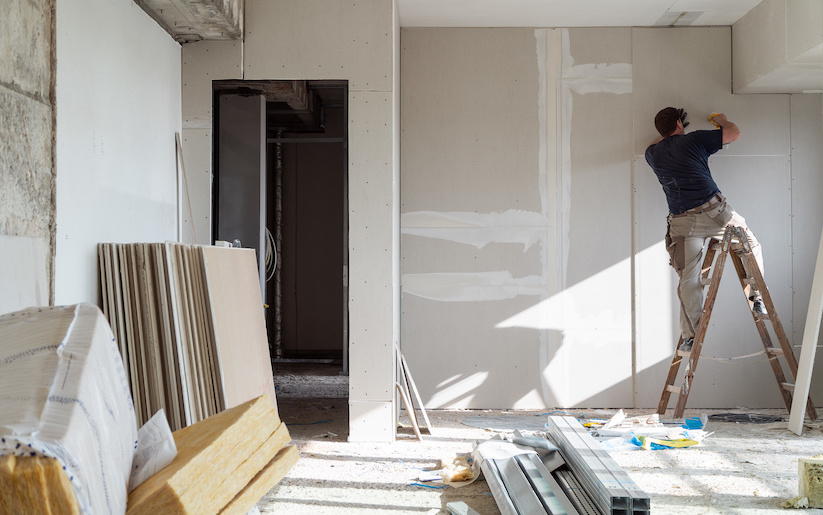
Home Improvement Mistakes Clients Must Avoid During Renovation
Home renovation is one of the most exciting yet challenging projects a homeowner can take on. Whether the goal is to improve comfort, increase property value, or modernize outdated spaces, renovation offers endless opportunities. However, many clients enter renovation projects without fully understanding the risks and common mistakes that can turn a dream upgrade into a stressful and expensive experience.
We often see homeowners focus on the final result while overlooking important planning steps. This can lead to delays, budget overruns, poor workmanship, and even long-term damage. By understanding the most common home improvement mistakes, clients can make smarter decisions and enjoy a smoother renovation journey.
Proper renovation requires careful preparation, realistic expectations, and strong communication with contractors. Let’s explore the biggest home improvement mistakes clients must avoid during renovation.
Starting Without a Clear Plan
One of the biggest mistakes clients make is beginning a renovation without a complete plan. Many homeowners start with general ideas but no detailed layout, budget, or timeline.
Without a clear plan, decisions are made on the spot, which often leads to confusion and expensive changes later. Every renovation should start with clear goals. Clients should know exactly what they want to improve, why they want it, and how they expect the final result to look.
Planning should include materials, labor costs, timelines, permits, and design details. The more complete the plan is, the easier it becomes to stay on track.
Ignoring the Budget Reality
Budget mistakes are very common during home improvement projects. Many clients underestimate costs or fail to include unexpected expenses.
Renovations often reveal hidden problems like plumbing issues, electrical faults, mold, or structural damage. If the budget is too tight, these surprises can stop the entire project.
A smart approach is to set a realistic budget and keep an extra 15 to 20 percent for emergencies. Clients should also compare contractor quotes carefully instead of choosing based only on price.
Cheap work may save money at first but can create larger repair costs later.
Hiring the Wrong Contractor
Choosing the wrong contractor can cause major issues. Some homeowners rush this step or hire based only on low pricing.
A reliable contractor should have experience, proper licensing, strong reviews, and clear communication. Clients should ask for references, previous work examples, and written contracts.
Hiring unqualified workers often leads to poor craftsmanship, delays, and legal problems. Taking time to research contractors is one of the most important parts of renovation success.
Focusing Only on Appearance
Many clients focus too much on visual upgrades while ignoring functionality. A beautiful kitchen or bathroom may look great but fail to meet daily needs.
Home improvement should improve both style and usability. For example, adding storage, improving lighting, and creating better movement space can make a bigger impact than expensive decorations.
A smart renovation balances design and practical living.
Choosing Trendy Over Timeless
Trends can make a home look modern, but they can also become outdated quickly. Some clients make the mistake of designing entirely around current trends.
Bold colors, unusual layouts, or highly specific styles may not age well. This can affect resale value in the future.
It is often better to choose timeless designs for major features like flooring, cabinets, and wall colors. Trends can still be added through accessories or smaller details.
Skipping Necessary Permits
Some homeowners try to avoid permits to save time or money. This can become a serious mistake.
Permits are often required for electrical work, plumbing, structural changes, and additions. Without permits, clients may face fines, legal issues, or trouble selling the property later.
Permits also help ensure work follows safety regulations. It is always better to handle legal requirements properly from the beginning.
Using Low-Quality Materials
Saving money on materials might seem smart at first, but poor-quality products often wear out faster and require replacement.
Cheap flooring, paint, fixtures, or insulation may lead to more maintenance and lower durability. Homeowners should invest in materials that offer long-term performance.
High-quality materials often provide better value over time because they last longer and perform better.
Poor Space Planning
Another common mistake is failing to think about how space will be used. Some renovations improve looks but reduce comfort.
For example, oversized furniture, poor kitchen layouts, or badly placed doors can make rooms feel smaller or less practical.
Clients should think carefully about movement, furniture placement, and everyday activities before finalizing designs.
Good space planning improves both comfort and efficiency.
Ignoring Lighting Design
Lighting is one of the most important parts of home improvement, yet many clients treat it as an afterthought.
Poor lighting can make even a beautiful room feel dull or uncomfortable. Renovation plans should include natural light, task lighting, ambient lighting, and accent lighting.
Layered lighting creates a better atmosphere and improves functionality.
Upgrading lighting can dramatically improve the look and feel of any room.
Changing Plans Midway
Frequent changes during renovation are one of the fastest ways to increase costs and delays.
Changing tile, moving walls, or redesigning layouts after work has started can disrupt everything. This often leads to extra labor charges and wasted materials.
Clients should finalize major decisions before construction begins.
Sticking to the original plan saves time and money.
Overlooking Storage Needs
Storage is often ignored during renovations. Many homeowners focus on open spaces but forget practical storage solutions.
Lack of storage can quickly create clutter and reduce comfort. Built-in shelves, cabinets, hidden storage, and smart furniture can make a huge difference.
Planning for storage improves long-term organization and daily convenience.
Neglecting Energy Efficiency
Energy-efficient upgrades can save money and improve comfort, yet many clients overlook them.
Insulation, energy-efficient windows, LED lighting, and smart thermostats can reduce utility bills significantly.
Renovation is the perfect time to improve energy performance because walls, floors, and systems are already being updated.
Ignoring energy efficiency is a missed long-term opportunity.
Not Preparing for Daily Disruption
Renovation can affect daily life more than expected. Noise, dust, and limited access to rooms can create stress.
Clients should prepare for temporary lifestyle changes, especially during kitchen or bathroom remodels.
Having backup plans for cooking, sleeping, or storage can make the process much easier.
Understanding the temporary inconvenience helps manage expectations.
Forgetting Future Needs
Some homeowners renovate only for current needs and ignore future plans.
A family may grow, aging may affect mobility, or work-from-home needs may increase. Renovations should consider long-term lifestyle changes.
Features like wider doorways, extra rooms, or flexible layouts can make a home more adaptable.
Planning ahead increases the value and usability of improvements.
Poor Communication with Contractors
Communication problems often lead to misunderstandings and mistakes.
Clients should clearly discuss timelines, costs, materials, and expectations. Regular updates and written agreements help avoid confusion.
Good communication builds trust and keeps the project moving smoothly.
Silence or assumptions often create avoidable problems.
Underestimating Time Requirements
Renovations often take longer than expected. Weather, supply delays, and hidden repairs can affect schedules.
Clients who expect quick results may feel frustrated. It is important to build flexibility into the timeline.
Patience is a key part of successful renovation.
Rushing work often lowers quality.
Ignoring Structural Issues
Cosmetic upgrades cannot solve serious structural problems. Some homeowners cover cracks, leaks, or damaged foundations without fixing the root issue.
This creates bigger problems later and can reduce home safety.
Before any visual improvements, the property should be inspected for structural concerns.
Strong foundations are essential for lasting renovations.
Trying to Do Everything Yourself
DIY projects can save money, but not every job should be handled without professional help.
Electrical systems, plumbing, roofing, and structural work require expertise. Mistakes in these areas can be dangerous and expensive.
Clients should know when to hire professionals and when DIY is appropriate.
Balancing both can save money without risking quality.
Forgetting About Resale Value
Even if clients plan to stay in the home for years, resale value still matters.
Over-customized designs may not appeal to future buyers. Smart renovations usually improve market appeal.
Kitchen upgrades, bathroom improvements, flooring, and curb appeal are often strong investments.
Thinking about future buyers helps make better renovation choices.
Final Thoughts
Home renovation can transform a property into a more beautiful, functional, and valuable space. But success depends on avoiding common mistakes that can lead to wasted money, delays, and disappointment.
We believe the best renovations begin with careful planning, realistic budgeting, and choosing the right professionals. Clients who focus on quality, functionality, and long-term value are far more likely to achieve satisfying results.
By avoiding these home improvement mistakes, homeowners can protect their investment and create a living space that serves them well for many years. Renovation is not just about changing a house. It is about building a better future inside it.