
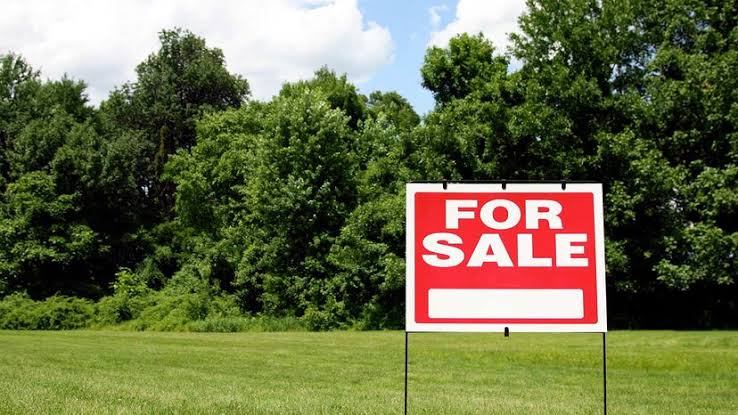
Buying Raw Land: Everything You Should Know Before You Invest
Buying raw land sounds simple at first. No buildings, no tenants, no maintenance headaches—just an empty piece of ground that we own. That simplicity is exactly what attracts many first-time investors.
But raw land is also one of those investments where what we don’t see matters more than what we do see. There’s no structure to judge, no rental history to review, and no immediate income in most cases. That means every decision depends on research, patience, and clarity.
If we get it right, land can become a powerful long-term asset. If we ignore the details, it can turn into a frozen investment that does nothing for years.
What Exactly Is Raw Land?
Raw land is simply undeveloped property. It has:
- No buildings
- No utilities
- No infrastructure improvements
It may be used for agriculture, future construction, or long-term holding, but in its basic form, it is just land waiting for development.
Unlike houses or commercial buildings, raw land doesn’t generate immediate income unless it is leased for farming or temporary use.
That’s why investing in land is more about future value than present returns.
Why People Invest in Raw Land
Even though it doesn’t produce quick cash flow, raw land attracts investors for several reasons:
- It is usually cheaper than developed property
- It has low maintenance costs
- It can increase in value over time
- It offers flexibility for future use
- It carries fewer structural risks
In simple terms, we are buying potential rather than instant income.
But potential only becomes profit if we choose the right land.
Location Is the Most Important Factor
Just like other types of real estate, location is everything—but for raw land, it’s even more important because nothing else is there to add value.
We should evaluate:
- Distance to cities or growing areas
- Road access and transportation routes
- Nearby development projects
- Future expansion of residential or commercial zones
Land near expanding cities or infrastructure projects often grows in value faster than isolated rural plots.
A common mistake is buying cheap land far away without thinking about future demand.
Cheap land is not always good land.
Understand Zoning Rules Before Anything Else
Zoning determines what we are allowed to do with the land. This is one of the most important checks before buying.
We should find out:
- Is it residential, commercial, agricultural, or industrial zoning?
- Can the land be converted for other uses?
- Are there restrictions on construction?
- What future development is allowed?
Many investors make the mistake of assuming they can build anything later. In reality, zoning laws can limit or completely block future plans.
If zoning doesn’t match our goal, the land may lose its investment value.
Check Accessibility and Road Connection
Land without proper access is often difficult to develop or sell later.
We should ensure:
- There is legal road access to the property
- Roads are usable for vehicles and construction
- No disputes over entry paths
- Easy connection to main roads or highways
Even if the land looks perfect, poor access can reduce its usability and value significantly.
Look at Utilities and Infrastructure Potential
Raw land usually doesn’t have utilities installed, but we need to check how close they are.
We should ask:
- Is electricity available nearby?
- Is water supply accessible or possible through wells?
- Is sewage or drainage feasible?
- What is the cost of bringing utilities to the land?
If infrastructure is too expensive to develop, the land may stay unused for a long time.
Study Soil Quality and Land Condition
If we plan to use land for farming, construction, or future development, soil quality matters.
We should consider:
- Soil stability for building foundations
- Flood risk or waterlogging issues
- Agricultural fertility (if farming is involved)
- Environmental conditions
Some land may look usable but have hidden issues like weak soil or flood-prone areas.
A basic land survey can save us from costly surprises later.
Understand Legal Ownership Clearly
This step is absolutely critical. Land disputes are common in many regions, and unclear ownership can create serious problems.
We must verify:
- Clear title ownership
- No legal disputes or claims
- Proper registration documents
- Government approval status
- Tax records and compliance
If paperwork is unclear, we should not proceed—no matter how attractive the price is.
Evaluate Future Development Potential
Raw land is mostly a long-term investment, so future growth matters more than current condition.
We should look for:
- Planned highways or roads
- New housing developments nearby
- Industrial or commercial expansion
- Government infrastructure projects
Areas that are currently quiet but expected to grow can offer strong returns over time.
This is where smart investors usually make their biggest gains.
Don’t Ignore Holding Costs
Many people think raw land has no cost, but that’s not completely true.
We should consider:
- Property taxes
- Maintenance (fencing, clearing, security)
- Legal fees
- Opportunity cost of tied-up money
Even if costs are low, they still exist. And since land doesn’t generate income immediately, we need patience.
Think About Exit Strategy Before Buying
A smart investor always thinks about how they will eventually sell or use the land.
We should ask:
- Who would buy this land in the future?
- Can it be developed or subdivided later?
- Is there rental or lease potential?
- Will demand increase over time?
If we cannot clearly imagine a future buyer, we should reconsider the investment.
Common Mistakes to Avoid
Many new land buyers make similar mistakes:
- Buying based only on low price
- Ignoring zoning rules
- Not checking access roads
- Skipping legal verification
- Expecting quick profits
- Overestimating future development
Avoiding these mistakes can significantly improve investment success.
Final Thoughts
Buying raw land is simple in concept but detailed in execution. It is not an emotional purchase—it is a planning-based investment.
When we focus on location, legal clarity, zoning rules, accessibility, and future growth, we shift from guessing to making informed decisions.
Raw land rewards patience. It may not give immediate returns, but with the right choice and timing, it can become a strong long-term asset.