
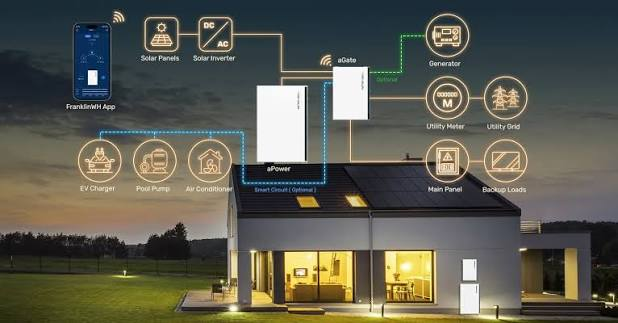
Complete Home Backup Power Network for Generators, Batteries and Energy Storage
Reliable electricity has become an essential requirement for modern homes. From lighting and heating systems to internet connectivity, security devices, kitchen appliances, and smart home technologies, almost every part of daily life depends on a stable power supply. A complete home backup power network provides protection against outages by combining generators, battery systems, energy storage technologies, and intelligent power management solutions.
Modern backup power systems have evolved beyond traditional fuel-powered generators. Today, homeowners can choose from advanced solutions that include solar-compatible batteries, automatic backup generators, hybrid energy systems, and smart monitoring technologies. These systems are designed to provide continuous power, improve energy independence, and support efficient household energy management.
A complete residential backup power network is not only about keeping lights on during outages. It is a complete energy solution that manages power generation, storage, distribution, and consumption. With the right design, homeowners can maintain essential services, reduce dependence on the electrical grid, and create a more resilient home environment.
Home Backup Power Systems
A home backup power system is a combination of energy equipment designed to provide electricity when the primary power source becomes unavailable. These systems automatically or manually supply power to selected appliances, rooms, or the entire home depending on their capacity and design.
Traditional backup systems mainly relied on generators, but modern networks now combine multiple technologies to create more efficient and flexible solutions.
Main Components of a Backup Power Network
A complete home backup power network includes several important components that work together to provide reliable electricity.
Power Generation Equipment
Power generation equipment creates electricity when the main grid supply is interrupted.
Common generation sources include:
- Fuel-powered generators
- Solar energy systems
- Hybrid power systems
The choice depends on energy requirements, installation conditions, and long-term goals.
Energy Storage Systems
Energy storage systems capture and store electricity for later use. They allow homeowners to maintain power availability without relying only on continuous generation.
Modern storage solutions commonly use advanced battery technologies that provide efficient energy management.
Power Management Systems
Power management equipment controls how electricity flows between different sources, storage systems, and household appliances.
These systems help prioritize important loads and improve overall energy efficiency.
Importance of Residential Backup Power Networks
Backup power systems provide protection, convenience, and energy flexibility for modern households.
Maintaining Essential Home Functions
During power outages, backup systems help maintain important household operations.
These may include:
- Lighting
- Refrigeration
- Internet equipment
- Security systems
- Heating and cooling equipment
Maintaining these services improves comfort and safety during unexpected interruptions.
Protecting Against Power Outages
Power interruptions can occur due to storms, infrastructure problems, equipment failures, or high electricity demand.
A backup power network provides an additional layer of protection by ensuring that homes remain operational when the main supply fails.
Supporting Energy Independence
Modern energy storage systems allow homeowners to reduce dependence on traditional electricity sources.
When combined with renewable energy technologies, backup systems can provide greater control over household energy usage.
Residential Generator Systems
Generators remain one of the most widely used backup power solutions for homes. They convert fuel into electricity and provide power during outages.
Modern generators are available in different sizes and designs to meet various household requirements.
Portable Generator Systems
Portable generators are compact systems designed for temporary backup power needs.
They are commonly used during short-term outages or for powering selected appliances.
Advantages of Portable Generators
Portable generators provide:
- Easy transportation
- Flexible usage
- Lower initial investment
- Simple setup
They are suitable for homes that require occasional backup power.
Standby Generator Systems
Standby generators are permanently installed systems designed to provide automatic backup power.
They are connected directly to the home’s electrical system and typically activate automatically when an outage occurs.
Benefits of Standby Generators
Standby systems provide:
- Automatic operation
- Reliable whole-home backup
- Higher power capacity
- Convenient operation
They are commonly installed in larger homes and properties where continuous power is important.
Fuel Options for Home Generators
Residential generators use different fuel sources depending on availability and preference.
Natural Gas Generators
Natural gas generators provide convenient operation where gas infrastructure is available.
They are often preferred because they can operate without storing large amounts of fuel.
Diesel Generator Systems
Diesel generators are known for durability and long operating life.
They are commonly used in situations where high reliability and heavy-duty performance are required.
Propane Generator Systems
Propane generators provide an alternative fuel option with good storage capability and stable performance.
Home Battery Energy Storage Systems
Battery storage technology has become one of the fastest-growing areas in residential backup power.
Instead of producing electricity only when needed, battery systems store energy and provide it during outages or high-demand periods.
Lithium Battery Storage Systems
Lithium-based batteries are widely used in modern residential energy storage because of their efficiency and long lifespan.
Benefits of Lithium Battery Systems
They provide:
- High energy density
- Efficient charging
- Long operating life
- Compact installation
These systems are commonly integrated with solar energy solutions.
Solar Energy Storage Systems
Solar-powered backup systems combine solar panels with battery storage to create renewable energy networks.
During normal conditions, solar energy can charge batteries, while stored energy can provide backup power when needed.
Advantages of Solar Backup Systems
Solar storage solutions offer:
- Renewable energy generation
- Reduced electricity dependence
- Lower long-term energy costs
- Sustainable operation
Hybrid Backup Power Systems
Hybrid systems combine multiple energy sources to improve reliability and flexibility.
A hybrid network may include:
- Solar panels
- Battery storage
- Backup generators
- Smart energy controls
Benefits of Hybrid Energy Networks
Hybrid systems provide:
- Multiple power sources
- Improved energy management
- Better outage protection
- Greater efficiency
Smart Energy Management Systems
Modern backup power networks increasingly use intelligent control technologies to improve performance.
Automatic Transfer Systems
Automatic transfer switches detect power failures and switch the home from grid electricity to backup power.
This allows a smooth transition without requiring manual operation.
Energy Monitoring Technology
Smart monitoring systems allow homeowners to track:
- Energy consumption
- Battery levels
- Generator performance
- Power usage patterns
These insights help improve efficiency and reduce unnecessary energy consumption.
Choosing the Right Home Backup Power System
Selecting the correct backup power solution depends on household needs, energy requirements, and budget considerations.
Determining Power Requirements
The first step is understanding which appliances and systems require backup power.
Important considerations include:
- Number of appliances
- Home size
- Heating and cooling requirements
- Daily energy usage
Selecting Between Generator and Battery Systems
Generators and batteries provide different advantages.
Generators are suitable for longer outages and higher power demands, while battery systems provide quiet operation and efficient energy storage.
Many modern homes combine both technologies for maximum reliability.
Considering Installation Requirements
Installation requirements depend on the type of system selected.
Factors include:
- Available space
- Electrical connections
- Fuel access
- Maintenance requirements
Professional installation helps ensure safe and reliable operation.
Maintenance of Backup Power Systems
Regular maintenance is essential for keeping backup systems ready when they are needed.
Generator Maintenance
Generators require regular inspections to maintain performance.
Important maintenance tasks include:
- Checking fuel systems
- Testing operation
- Inspecting electrical components
- Changing filters and fluids
Battery System Maintenance
Battery storage systems require monitoring to maintain efficiency.
Important considerations include:
- Battery health
- Temperature conditions
- Charging performance
- Software updates
Future Trends in Residential Backup Energy
The future of home backup power is moving toward smarter, cleaner, and more efficient energy solutions.
Emerging developments include artificial intelligence-based energy management, advanced battery technologies, improved solar integration, and automated power optimization.
As electricity demand continues to grow, residential energy systems will become more intelligent and capable of managing power generation, storage, and consumption automatically.
Conclusion
A complete home backup power network provides reliable electricity protection through generators, batteries, and advanced energy storage technologies. Modern systems offer homeowners greater control over their energy supply while improving comfort, security, and resilience during power interruptions.
Choosing the right backup power solution requires understanding energy needs, available technologies, installation requirements, and long-term goals. With continuous improvements in renewable energy, battery storage, and smart management systems, residential backup power networks will continue becoming an essential part of modern homes.