
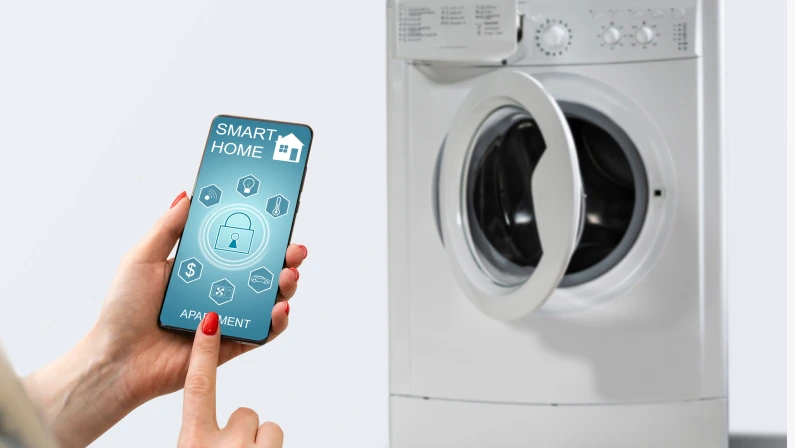
Smart Laundry Systems for Automated Washing and Home Management Solutions
Laundry is one of the most time-consuming household tasks, requiring regular washing, drying, sorting, and maintenance. With busy modern lifestyles, homeowners are increasingly looking for solutions that simplify daily chores while improving efficiency. Smart laundry systems have emerged as an innovative approach by combining advanced washing technology, automation, connectivity, and intelligent home management features.
Smart laundry solutions are designed to make washing clothes easier, faster, and more efficient. These systems include connected washing machines, smart dryers, automated detergent dispensers, energy monitoring features, and mobile app controls that allow homeowners to manage laundry tasks with greater convenience.
As smart home technology continues to expand, laundry rooms are becoming more intelligent and organized. Modern smart laundry systems not only improve washing performance but also help reduce water consumption, save energy, protect fabrics, and create a more efficient household routine.
Understanding Smart Laundry Systems
Smart laundry systems are advanced home laundry solutions that use digital technology and automation to improve the washing and drying process. These systems connect traditional laundry appliances with smart features such as sensors, artificial intelligence, remote controls, and automated settings.
Unlike conventional washing machines that operate only through manual settings, smart laundry appliances can analyze fabric types, adjust washing cycles, monitor energy usage, and notify users when tasks are completed.
A complete smart laundry system may include smart washing machines, intelligent dryers, automated storage solutions, smart ironing systems, and connected home management platforms.
Importance of Smart Laundry Solutions in Modern Homes
Modern households often face challenges related to time management, energy consumption, and efficient use of resources. Traditional laundry methods may require frequent monitoring and manual adjustments.
Smart laundry systems address these challenges by automating many tasks and allowing homeowners to control laundry activities more effectively.
These solutions are especially valuable for busy families, large households, and people who want to improve home organization. By reducing manual effort and optimizing appliance performance, smart laundry systems contribute to a more convenient lifestyle.
How Smart Laundry Systems Work
Smart laundry systems operate through a combination of sensors, software, connectivity features, and automated controls.
Smart washing machines use sensors to detect factors such as load size, fabric type, and dirt level. Based on this information, the appliance can automatically select the appropriate washing cycle, water level, and temperature.
Connected devices communicate through Wi-Fi or smart home networks, allowing users to monitor and control laundry appliances through smartphones or voice assistants.
Advanced systems can also provide maintenance alerts, energy reports, and personalized recommendations for better performance.
Key Features of Smart Laundry Systems
Smart Washing Machines With Automated Programs
Smart washing machines are the foundation of modern laundry systems. They include advanced washing programs that automatically adjust settings according to clothing requirements.
Sensors can detect fabric weight, moisture levels, and washing conditions to optimize performance. This helps protect delicate fabrics while ensuring effective cleaning.
Many smart washing machines also allow users to start, stop, or monitor cycles remotely through mobile applications.
Artificial Intelligence-Based Washing Technology
Artificial intelligence is improving laundry automation by allowing machines to learn and adapt to user habits.
AI-powered washing machines can recommend suitable cycles, recognize frequently used programs, and optimize washing performance over time.
This technology reduces guesswork and helps users achieve better cleaning results with less effort.
Smart Dryers With Moisture Sensors
Smart dryers use moisture detection technology to determine when clothes are completely dry. This prevents unnecessary drying time and reduces energy consumption.
Instead of operating for a fixed duration, smart dryers automatically adjust drying cycles based on fabric conditions.
This feature also helps protect clothing from excessive heat exposure.
Automated Detergent Dispensing Systems
Many advanced laundry systems include automatic detergent dispensers that release the correct amount of detergent based on load size and washing requirements.
This prevents detergent waste and improves washing efficiency.
Automated dispensing systems are especially useful for households that run multiple laundry cycles every week.
Mobile App Control and Remote Monitoring
Smart laundry appliances can connect to smartphones, allowing users to manage laundry tasks remotely.
Through mobile applications, homeowners can start cycles, receive completion alerts, check energy usage, and troubleshoot problems.
This feature provides greater flexibility and convenience for modern lifestyles.
Benefits of Smart Laundry Systems
Saves Time and Reduces Manual Effort
One of the biggest advantages of smart laundry systems is automation. Homeowners can reduce the amount of time spent monitoring washing and drying tasks.
Notifications and remote controls allow users to manage laundry more efficiently without constantly checking appliances.
This creates more free time for other household activities.
Improved Energy Efficiency
Smart laundry appliances are designed to optimize energy consumption. Sensors and intelligent controls ensure that water, electricity, and detergent are used efficiently.
By adjusting cycles according to actual requirements, these systems reduce unnecessary resource usage.
This can lead to lower utility costs over time.
Water Conservation
Traditional washing machines may use more water than necessary. Smart laundry systems use advanced sensors to determine the required water level based on load size.
This helps conserve water while maintaining effective cleaning performance.
Water-efficient laundry solutions support sustainable home management practices.
Better Fabric Protection
Incorrect washing settings can damage clothes over time. Smart laundry systems analyze fabric conditions and recommend suitable cycles.
Gentle washing programs, temperature control, and optimized drying help extend the lifespan of clothing.
This reduces the need for frequent replacement of garments.
Improved Home Organization
Smart laundry systems can be integrated with organized laundry room designs. Automated storage, sorting systems, and connected appliances create a cleaner and more efficient space.
A well-designed smart laundry area improves household workflow and reduces clutter.
Components of a Smart Laundry Room
Smart Washing and Drying Appliances
The main components of a smart laundry room are connected washing machines and dryers. These appliances provide automation, efficiency, and remote control features.
Modern designs focus on quiet operation, energy efficiency, and advanced cleaning technology.
Automated Laundry Storage Systems
Smart laundry rooms can include organized storage solutions such as automated cabinets, labeled compartments, and sensor-based inventory systems.
These features help homeowners manage detergents, cleaning supplies, and laundry accessories more effectively.
Smart Laundry Sensors
Sensors can monitor conditions such as humidity, appliance status, and energy usage.
These devices help improve safety and efficiency by providing real-time information about laundry operations.
Voice-Controlled Laundry Management
Integration with voice assistants allows users to control laundry appliances through simple voice commands.
Homeowners can check cycle status, receive reminders, or start appliances without physically interacting with them.
Smart Laundry Systems and Sustainable Home Management
Sustainability has become an important part of modern home design. Smart laundry systems support eco-friendly living by reducing waste and improving resource efficiency.
Energy-efficient appliances consume less electricity, while water-saving technology reduces unnecessary water usage.
When combined with renewable energy systems and smart home automation, laundry solutions become part of a complete sustainable household management approach.
Choosing the Right Smart Laundry System
Selecting the right smart laundry system depends on household needs, available space, budget, and desired features.
Homeowners should consider factors such as appliance capacity, connectivity options, energy ratings, and maintenance requirements.
Large families may benefit from high-capacity machines with advanced automation, while smaller households may prefer compact smart appliances.
Compatibility with existing smart home systems is also important for creating a connected living environment.
Installation Considerations for Smart Laundry Solutions
Proper installation ensures that smart laundry appliances perform efficiently. Electrical connections, water supply, drainage systems, and ventilation should be properly arranged.
Smart appliances require reliable network connectivity for remote control features.
Professional installation may be recommended to ensure safety and correct operation.
Maintenance Tips for Smart Laundry Systems
Regular maintenance helps extend the lifespan of smart laundry appliances.
Homeowners should:
- Clean washing machine filters regularly
- Check water connections for leaks
- Clean dryer vents
- Update appliance software when required
- Inspect detergent systems
- Follow manufacturer maintenance recommendations
Proper care ensures consistent performance and reduces repair costs.
Future Trends in Smart Laundry Technology
The future of laundry management is moving toward greater automation and personalization. Artificial intelligence, robotics, and advanced sensors will continue to improve washing and drying technologies.
Future smart laundry systems may automatically identify clothing types, recommend care instructions, manage inventory, and optimize energy usage based on household patterns.
Integration with complete smart home ecosystems will allow laundry systems to work alongside other connected devices for improved home efficiency.
Frequently Asked Questions About Smart Laundry Systems
What is a smart laundry system?
A smart laundry system is a connected laundry solution that uses automation, sensors, and digital technology to improve washing, drying, and home management processes.
Are smart washing machines worth buying?
Smart washing machines can be valuable for homeowners who want convenience, energy efficiency, remote control, and improved laundry performance.
Can smart laundry appliances be controlled remotely?
Yes, many smart laundry appliances can be controlled through smartphone apps and smart home platforms.
Do smart laundry systems save electricity?
Yes, smart laundry systems use sensors and optimized cycles to reduce unnecessary energy consumption.
Do smart washing machines save water?
Many smart washing machines adjust water usage according to load size and fabric requirements, helping reduce water waste.
Can smart dryers prevent over-drying?
Yes, moisture sensors in smart dryers automatically adjust drying time to prevent unnecessary heat exposure.
Are smart laundry systems expensive?
The cost depends on appliance features, technology level, and installation requirements. Advanced models generally have higher prices but offer more automation.
Do smart laundry systems require Wi-Fi?
Many smart features require Wi-Fi connectivity, but basic washing and drying functions can usually operate without internet access.
How long do smart laundry appliances last?
With proper maintenance and usage, high-quality smart laundry appliances can provide reliable performance for many years.
Why are smart laundry systems important for modern homes?
They improve convenience, save resources, protect clothing, and support efficient home management through advanced automation technology.