Smart Home Networking Systems for Reliable Connected Device Performance
Introduction
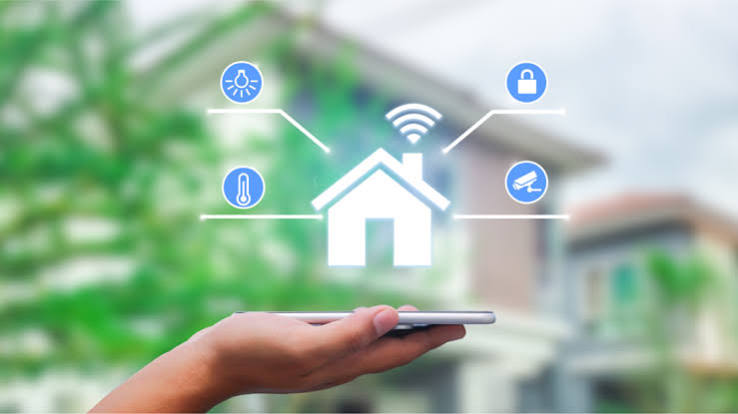
Modern homes are becoming increasingly connected with smart devices designed to improve comfort, security, energy efficiency, and convenience. From smart lighting and automated climate control to security cameras and voice assistants, connected technology has changed the way homeowners interact with their living spaces.
However, the performance of these devices depends heavily on a strong and reliable network infrastructure. A slow or unstable connection can affect device response times, reduce automation efficiency, and create interruptions in daily smart home operations.
Smart home networking systems provide the foundation required for reliable connected device performance. These systems use advanced networking technologies, wireless solutions, and intelligent management tools to ensure that smart devices communicate efficiently and operate smoothly.
Importance of Smart Home Networking Systems
A smart home relies on communication between multiple connected devices. Every device, including sensors, cameras, thermostats, locks, and entertainment systems, requires a stable connection to function properly.
Traditional home networks are often designed for computers, smartphones, and basic internet usage. Smart homes require more advanced networking solutions because they support multiple devices operating simultaneously.
A reliable smart home network helps improve:
- Device performance
- Connection stability
- Security protection
- Automation efficiency
- Remote access reliability
A properly designed network ensures that all smart devices work together without delays or interruptions.
What Are Smart Home Networking Systems?
Smart home networking systems are advanced network solutions designed specifically to support connected residential devices. They combine routers, access points, network controls, and smart management features to provide strong connectivity throughout a home.
A complete smart home network may include:
- High-performance smart routers
- Wireless access points
- Mesh Wi-Fi systems
- Network switches
- Smart hubs
- Security management tools
- Wired and wireless connections
These components create a reliable communication environment where smart devices can exchange information efficiently.
Smart Wi-Fi Solutions for Connected Homes
Wi-Fi is one of the most important technologies in modern smart homes. As the number of connected devices increases, traditional routers may struggle to provide consistent coverage.
Smart Wi-Fi systems improve connectivity by automatically managing network performance and distributing signals efficiently.
Modern smart Wi-Fi solutions provide:
- Wider coverage
- Faster speeds
- Better device management
- Automatic connection optimization
- Improved reliability
These systems are especially useful in large homes where some areas may experience weak signals.
Mesh Wi-Fi Systems for Whole Home Coverage
Mesh Wi-Fi technology has become a popular solution for modern residential networking. Instead of relying on a single router, mesh systems use multiple connected units to provide seamless coverage throughout the property.
Mesh networking helps eliminate:
- Dead zones
- Weak signals
- Connection drops
This makes it ideal for large homes with multiple smart devices located in different rooms, gardens, garages, or outdoor areas.
Wired Networking for High-Performance Smart Homes
While wireless connectivity is convenient, wired networking remains an important part of advanced smart home infrastructure.
Ethernet connections provide:
- Faster data transfer
- Greater stability
- Lower interference
- Reliable performance
Wired connections are commonly used for high-demand devices such as security cameras, entertainment systems, gaming equipment, and smart home control panels.
Many luxury homes combine wired and wireless networking to achieve maximum performance.
Smart Home Hubs and Device Communication
Smart home hubs act as central communication points between different connected devices.
They allow devices from different manufacturers to work together through a unified system.
Smart hubs help manage:
- Lighting automation
- Security systems
- Climate control
- Smart appliances
- Voice assistants
By connecting multiple devices through a central platform, homeowners can create more efficient and personalized automation experiences.
Network Management for Multiple Smart Devices
Modern homes may contain dozens or even hundreds of connected devices. Managing these devices requires intelligent network control.
Smart networking systems help by:
- Prioritizing important devices
- Monitoring network activity
- Managing bandwidth usage
- Identifying connection problems
For example, a security camera system may receive priority over less important devices to ensure continuous monitoring.
Smart Home Security and Network Protection
Network security is a critical part of connected home technology. Since smart devices collect and exchange information, protecting the network is essential.
Modern smart networking systems include security features such as:
- Firewall protection
- Device authentication
- Network monitoring
- Secure connections
- Automatic updates
A secure network helps protect smart devices from unauthorized access and improves overall home safety.
Integration with Smart Security Systems
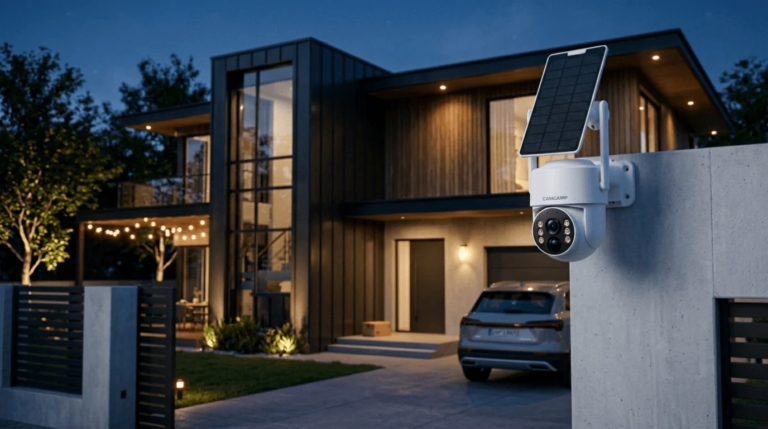
Smart home networking plays an important role in residential security management. Security cameras, smart locks, alarms, and sensors require reliable communication to operate effectively.
A strong network allows:
- Real-time camera streaming
- Instant security alerts
- Remote access control
- Reliable sensor communication
Without a stable network, important security functions may experience delays or interruptions.
Supporting Smart Home Automation
Automation depends on fast communication between connected devices. Whether adjusting lights, controlling temperature, or managing security settings, every action requires reliable networking.
A strong smart home network enables:
- Faster automation responses
- Better device synchronization
- More reliable routines
- Improved user experience
For example, when a homeowner enters a room, motion sensors can communicate with lighting systems instantly through a well-designed network.
Smart Home Networking and Entertainment Systems
Modern homes often include connected entertainment solutions such as smart televisions, streaming devices, gaming systems, and multi-room audio.
These systems require high-speed and stable connections for smooth performance.
Advanced networking solutions support:
- High-quality streaming
- Multi-device usage
- Wireless audio systems
- Smart entertainment control
A reliable network ensures that entertainment systems operate without buffering or connection problems.
Cloud Connectivity and Remote Device Management
Many smart home devices depend on cloud services for remote access and advanced features.
Smart networking systems provide reliable connections for:
- Remote monitoring
- Software updates
- Cloud storage
- Mobile applications
This allows homeowners to manage their smart homes even when they are away.
Energy Efficiency Through Smart Networking
Smart networking systems also support energy management by allowing connected devices to communicate and operate efficiently.
Examples include:
- Smart thermostats
- Energy monitoring systems
- Automated lighting controls
- Smart appliances
By improving communication between devices, homeowners can reduce unnecessary energy consumption and improve efficiency.
Choosing the Right Smart Home Networking System
Selecting the right networking solution depends on home size, number of devices, and performance requirements.
Important factors include:
Home Size and Layout
Large homes may require multiple access points or mesh networking systems for complete coverage.
Number of Connected Devices
Homes with many smart devices need stronger network capacity and better device management.
Security Requirements
Choose systems with strong security features and regular software updates.
Future Expansion
A good network should support additional smart devices as technology needs grow.
Future of Smart Home Networking Technology
The future of smart home networking will focus on faster speeds, improved reliability, and greater automation.
Future developments may include:
- Advanced Wi-Fi technologies
- AI-based network management
- More secure communication systems
- Intelligent bandwidth optimization
- Deeper smart home integration
As connected homes continue to expand, reliable networking infrastructure will become an essential part of modern residential design.
Conclusion
Smart home networking systems provide the foundation needed for reliable connected device performance. They ensure that smart lighting, security systems, climate controls, entertainment devices, and automated solutions operate smoothly.
A strong and secure network improves convenience, efficiency, and the overall smart home experience. As residential technology continues to evolve, advanced networking solutions will become increasingly important for creating connected, intelligent, and future-ready homes.
Frequently Asked Questions (FAQs)
What is a smart home networking system?
A smart home networking system is a network infrastructure designed to connect and manage smart devices, ensuring reliable communication and performance.
Why is networking important for smart homes?
A reliable network allows smart devices to communicate effectively, improving automation, security, and overall device performance.
Is mesh Wi-Fi better for smart homes?
Mesh Wi-Fi is useful for larger homes because it provides wider coverage and reduces weak signal areas.
Do smart homes need wired networking?
Wired networking is not always required, but it provides better stability and performance for high-demand devices.
How can I improve my smart home network speed?
You can improve performance by using advanced routers, mesh systems, proper device placement, and updated networking equipment.
Are smart home networks secure?
Smart home networks can be secure when they use strong passwords, updated software, secure devices, and proper network protection features.
How many devices can a smart home network support?
The number of supported devices depends on the router, network capacity, and overall system design.
Can smart home networking support security cameras?
Yes, reliable networking is essential for security cameras because it enables live video streaming, alerts, and remote access.
What is the role of a smart home hub?
A smart home hub connects different devices and allows them to communicate through a centralized control system.
Should I upgrade my network before adding smart devices?
Yes, upgrading network infrastructure before installing multiple smart devices helps ensure better performance and reliability.