Essential Home Improvement Advice for First-Time Homeowners
Buying a first home is an exciting milestone. It represents independence, stability, and the beginning of a new chapter in life. However, for many first-time homeowners, the excitement of owning property is quickly followed by the reality of maintenance, repairs, and upgrades. Unlike renting, owning a home means taking responsibility for every part of the property, from the roof to the foundation.
Home improvement can feel overwhelming at first, especially for people with limited experience. Many new homeowners rush into projects without understanding priorities, budgeting, or the long-term impact of their decisions. The good news is that with the right approach, home improvement can become manageable, rewarding, and even enjoyable.
We believe first-time homeowners should focus on smart planning, practical upgrades, and long-term value. Understanding the basics of home improvement can save money, reduce stress, and create a safer and more comfortable living environment.
Start with a Full Home Inspection
Before making any improvements, it is important to understand the current condition of the home.
A professional home inspection can reveal hidden issues such as plumbing leaks, electrical problems, roof damage, poor insulation, or structural concerns. Even if the property was inspected before purchase, it is helpful to review everything carefully.
Knowing what needs immediate attention allows homeowners to prioritize repairs and avoid bigger problems later.
A strong foundation for improvement always starts with understanding the home’s condition.
Create a Realistic Budget
One of the biggest mistakes first-time homeowners make is underestimating costs.
Home improvement can become expensive quickly, especially when unexpected repairs appear. Setting a realistic budget helps control spending and reduces financial pressure.
It is wise to divide the budget into categories such as urgent repairs, future upgrades, and emergency funds.
Keeping extra money for unexpected issues is always a smart decision.
Good budgeting makes every improvement project easier to manage.
Prioritize Safety First
Safety should always come before appearance.
While painting walls or buying furniture can be exciting, important repairs like fixing electrical systems, plumbing leaks, or structural damage should come first.
Smoke detectors, carbon monoxide alarms, and secure locks should also be checked immediately.
A safe home protects both the property and the people living inside it.
Ignoring safety issues can lead to costly and dangerous problems.
Focus on Essential Repairs Before Cosmetic Changes
Many new homeowners want to personalize their space right away. While this is understandable, essential repairs should always be handled first.
Fixing roofs, repairing plumbing, improving insulation, and maintaining heating systems should come before decorative updates.
Cosmetic improvements can wait, but damaged systems often get worse over time.
Solving practical issues first creates a stronger base for future upgrades.
Learn Basic DIY Skills
Not every home improvement task requires a contractor.
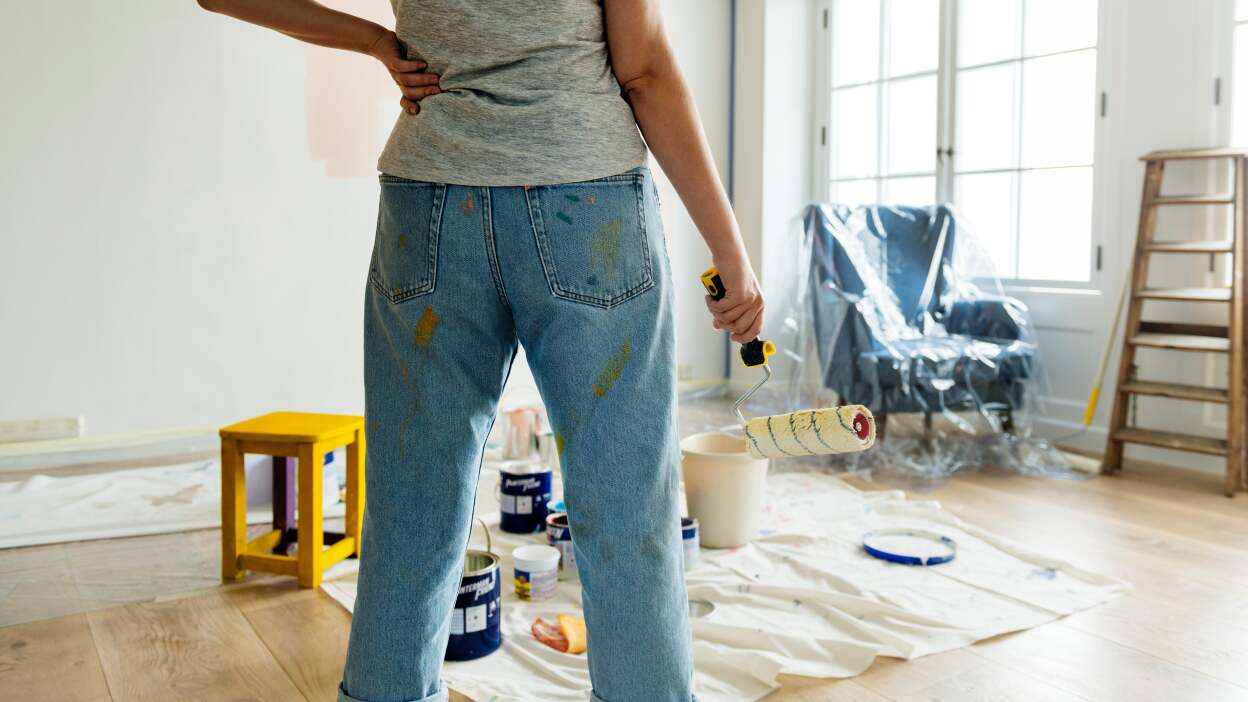
Learning simple skills like painting, fixing small leaks, changing light fixtures, or repairing drywall can save money.
DIY projects can be rewarding and help homeowners understand their property better.
However, it is important to know personal limits. Complex electrical, structural, or plumbing work should still be handled by professionals.
Balancing DIY with professional help is often the best strategy.
Improve Energy Efficiency Early
Energy efficiency is one of the smartest upgrades for first-time homeowners.
Simple improvements like sealing windows, upgrading insulation, and switching to LED lighting can reduce monthly utility bills.
Installing a programmable thermostat can also improve heating and cooling efficiency.
Energy-efficient homes are more comfortable and less expensive to maintain over time.
Small changes today can create large savings in the future.
Keep Up with Regular Maintenance
Maintenance is often ignored until something breaks.
Regular maintenance prevents expensive repairs and extends the life of home systems.
Tasks like cleaning gutters, checking HVAC systems, inspecting roofs, and maintaining plumbing should become part of a routine.
A well-maintained home stays in better condition and keeps its value longer.
Prevention is always cheaper than emergency repairs.
Upgrade the Kitchen Gradually
The kitchen is one of the most important areas of a home.
For first-time homeowners, a full kitchen remodel may not be possible right away. Instead, gradual improvements can make a big impact.
Painting cabinets, replacing handles, upgrading lighting, or installing a new backsplash are affordable ways to refresh the kitchen.
Small upgrades can improve both function and style without requiring a major budget.
Improve Bathroom Comfort
Bathrooms are another area where simple improvements can make daily life much better.
Replacing old fixtures, improving storage, upgrading mirrors, or adding better lighting can modernize the space.
Fixing leaks and improving ventilation should also be priorities.
A clean and comfortable bathroom adds both convenience and value.
Understand When to Hire Professionals
Knowing when to call a professional is an important lesson for new homeowners.
Electrical work, roofing, structural repairs, and major plumbing jobs often require expert knowledge.
Trying to save money by doing complex work alone can lead to serious mistakes.
Hiring experienced professionals for important projects protects the home and ensures quality results.
Good professional work is often worth the investment.
Plan for Future Upgrades
Not every improvement needs to happen immediately.
Creating a long-term plan helps homeowners stay organized and avoid rushed decisions.
For example, larger projects like flooring replacement, basement finishing, or room additions can be planned for future years.
This approach makes budgeting easier and allows time for research.
Long-term planning creates smarter renovation decisions.
Improve Storage Solutions
Storage is often limited in many homes.
Adding shelves, closet organizers, cabinets, and multipurpose furniture can improve organization and reduce clutter.
Good storage makes spaces feel cleaner, larger, and more practical.
This is especially important for growing families or smaller homes.
Smart storage is one of the most affordable and useful improvements.
Do Not Follow Trends Blindly
Trendy designs may look attractive, but they do not always last.
First-time homeowners should focus on timeless styles for major improvements like flooring, cabinets, and wall colors.
Trends can be added through smaller decorative items that are easier to change later.
This approach protects long-term value and keeps the home appealing for years.
Build an Emergency Repair Fund
Unexpected home repairs are normal.
A broken water heater, roof leak, or plumbing issue can happen at any time.
Having an emergency repair fund prevents stress and helps homeowners respond quickly.
Setting aside money each month creates financial security.
This is one of the most practical pieces of advice for any new homeowner.
Improve Outdoor Spaces
Outdoor areas are often overlooked by first-time homeowners.
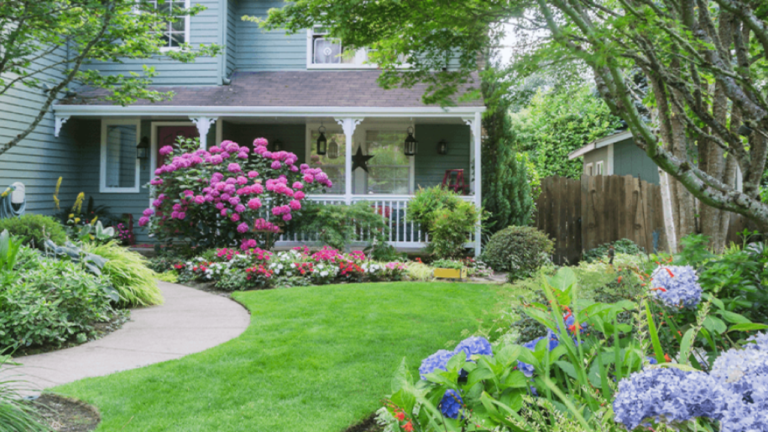
Simple improvements like cleaning the yard, planting flowers, adding lights, or improving seating can make a home feel more welcoming.
Outdoor spaces also increase living area and improve curb appeal.
Even small upgrades can make a big difference.
Protect Resale Value
Even if homeowners plan to stay for many years, resale value should still be considered.
Smart improvements like kitchen upgrades, bathroom improvements, energy efficiency, and flooring often provide strong returns.
Avoid over-customizing the home in ways that may not appeal to future buyers.
Thinking ahead helps protect the investment.
Final Thoughts
Homeownership comes with both freedom and responsibility. For first-time homeowners, home improvement can seem complex, but the right approach makes it manageable. By focusing on safety, maintenance, budgeting, and smart upgrades, homeowners can build a stronger, more comfortable, and more valuable property.
We believe the best improvements are those that combine practicality with long-term benefits. Starting small, planning wisely, and learning along the way can make homeownership much more rewarding.
A home is more than just a place to live. It is a long-term investment and a space where memories are built. Taking care of it from the beginning is one of the smartest decisions any first-time homeowner can make.