
Pest Prevention Solutions for Residential Properties Protecting Homes From Damage
A safe and comfortable home requires more than attractive design and modern features; it also needs effective protection against unwanted pests that can damage property, affect indoor hygiene, and create health concerns. Pest problems are common in residential properties because insects and rodents are often attracted to food sources, moisture, shelter, and warm environments.
Pests such as termites, ants, cockroaches, rodents, mosquitoes, and other insects can cause significant damage when they are not controlled early. Some pests may weaken wooden structures, damage electrical systems, contaminate food areas, and reduce the overall comfort of a home.
Modern pest prevention solutions focus on proactive protection rather than waiting until infestations occur. Through proper maintenance, smart monitoring technologies, environmentally responsible treatments, and preventive design strategies, homeowners can protect their properties from pest-related damage.
A comprehensive pest management approach helps maintain a cleaner, healthier, and more durable residential environment while reducing long-term repair costs.
Understanding Pest Prevention for Modern Homes
Pest prevention involves a combination of methods designed to stop pests from entering, nesting, and causing damage inside residential properties. Unlike temporary solutions that only remove visible pests, preventive strategies focus on eliminating conditions that attract unwanted organisms.
Modern pest prevention combines inspection, structural improvements, sanitation practices, sealing techniques, and targeted treatments to create long-lasting protection.
The goal is to create a home environment that is less attractive to pests while maintaining safety for residents and pets.
Effective pest prevention begins with understanding common pest behaviors and identifying potential entry points before problems develop.
Why Pest Prevention Is Important for Residential Properties
Many homeowners only take action after noticing signs of infestation. However, pests can cause hidden damage long before they become visible.
Termites, for example, can slowly weaken wooden structures, flooring, and furniture without obvious warning signs. Rodents can damage insulation, wiring, and stored materials while searching for food and shelter.
Preventive pest control reduces these risks by addressing problems early and creating barriers against future infestations.
A protected home provides better indoor hygiene, improved comfort, and greater peace of mind for homeowners.
Common Pests That Affect Residential Homes
Different pests create different challenges depending on climate, location, building design, and maintenance conditions.
Termite Prevention and Protection
Termites are among the most damaging residential pests because they feed on materials containing cellulose, including wood and certain building components.
They can weaken structural elements, damage furniture, and create expensive repair requirements if left untreated.
Modern termite prevention includes soil treatments, protective barriers, regular inspections, and moisture control methods.
Early detection is essential because termite damage often develops inside walls or hidden areas.
Rodent Control and Prevention
Rodents such as mice and rats can create serious problems in residential properties. They may contaminate food, damage electrical wiring, and create hygiene concerns.
Rodents often enter homes through small openings around doors, windows, pipes, and ventilation areas.
Preventive measures include sealing entry points, maintaining cleanliness, proper waste management, and using monitoring systems.
Cockroach Prevention Solutions
Cockroaches are attracted to food particles, moisture, and warm areas. They can spread contamination and become difficult to control once populations increase.
Modern prevention focuses on eliminating food sources, reducing moisture, sealing cracks, and using targeted treatments.
Regular cleaning and proper storage practices help reduce the likelihood of cockroach infestations.
Ant Control and Prevention
Ants often enter homes in search of food and water. Small openings around windows, doors, and walls can provide access points.
Preventive solutions include sealing entry areas, maintaining clean surfaces, and addressing outdoor conditions that encourage ant activity.
Mosquito Prevention Systems
Mosquitoes are not only a nuisance but can also create health concerns in residential environments.
Reducing standing water, maintaining outdoor areas, installing protective screens, and using smart mosquito control solutions can help reduce mosquito populations.
Structural Pest Prevention Methods for Homes
The design and construction of a home play an important role in pest prevention. Certain building improvements can reduce opportunities for pests to enter and establish nesting areas.
Sealing cracks in walls, repairing damaged windows, maintaining door seals, and protecting ventilation openings create stronger barriers against pests.
Modern construction practices increasingly include pest-resistant materials and protective treatments during building stages.
A well-maintained structure naturally provides better protection against unwanted insects and animals.
Moisture Control as a Pest Prevention Strategy
Moisture is one of the biggest factors that attracts pests. Damp areas provide suitable conditions for insects, termites, and mold-related problems.
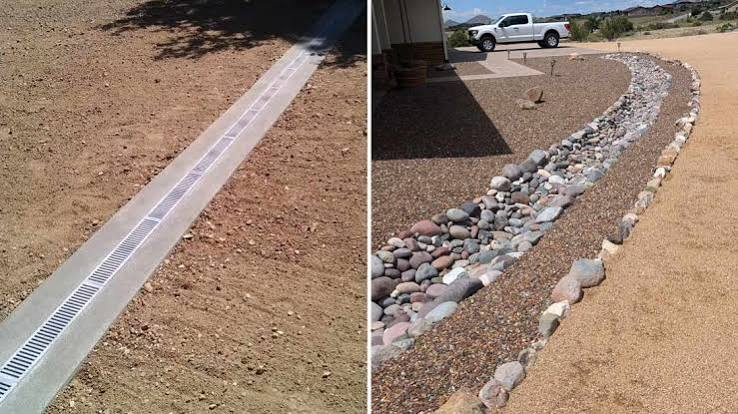
Effective moisture management includes repairing leaks, improving drainage, maintaining ventilation, and controlling indoor humidity levels.
Basements, bathrooms, kitchens, and outdoor areas require special attention because they commonly experience moisture buildup.
By reducing excess moisture, homeowners can create an environment that is less favorable for pests.
Smart Pest Monitoring Systems for Modern Homes
Technology has introduced new solutions for residential pest management. Smart monitoring systems use sensors and digital tools to identify pest activity early.
These systems can monitor specific areas of a property and provide alerts when unusual activity is detected.
Smart pest monitoring allows homeowners to respond quickly before small problems become major infestations.
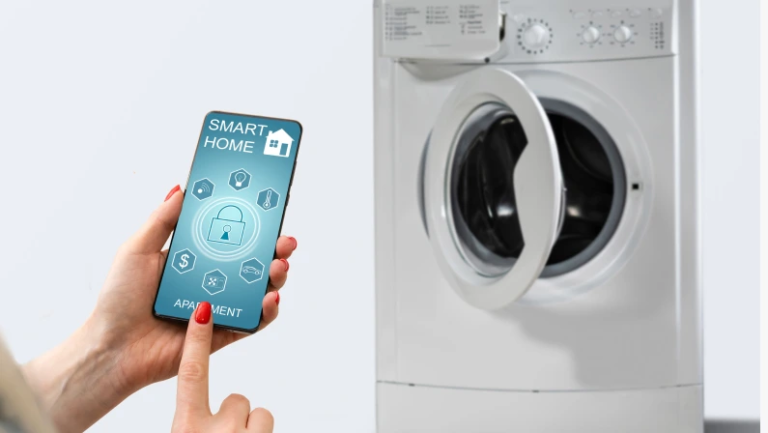
Integration with smart home systems provides an additional layer of property protection and maintenance control.
Eco-Friendly Pest Prevention Solutions
Many homeowners are now choosing environmentally responsible pest prevention methods that reduce chemical use while maintaining effective protection.
Eco-friendly approaches include natural repellents, biological control methods, habitat management, and targeted treatments.
These solutions focus on preventing pest problems while reducing unnecessary impact on the surrounding environment.
Sustainable pest management supports healthier homes and responsible property maintenance.
Importance of Regular Home Pest Inspections
Regular inspections are one of the most effective ways to identify early signs of pest activity.
Professional inspections can detect hidden problems such as termite damage, rodent entry points, insect nesting areas, and moisture-related risks.
Routine inspections allow homeowners to address issues before they become expensive repairs.
A preventive inspection schedule is especially valuable for older homes and properties located in areas with higher pest activity.
Kitchen and Food Area Pest Prevention
Kitchens are among the most attractive areas for pests because they provide food, moisture, and shelter.
Proper food storage, regular cleaning, sealed containers, and waste management help reduce pest attraction.
Homeowners should avoid leaving food uncovered and should clean spills quickly.
Modern kitchen designs with sealed cabinets, smart storage systems, and easy-to-clean surfaces also support better pest prevention.
Outdoor Pest Prevention Strategies
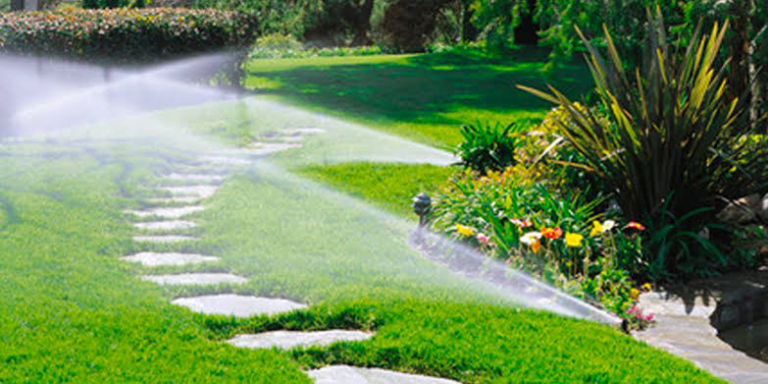
Outdoor areas around a home can influence indoor pest activity. Gardens, lawns, patios, and drainage areas should be properly maintained.
Removing standing water, trimming vegetation away from walls, and keeping outdoor spaces clean can reduce pest habitats.
Outdoor lighting, drainage improvements, and landscaping choices can also influence pest activity around residential properties.
A balanced outdoor environment helps create a stronger barrier between pests and the home.
Professional Pest Control Services and Their Benefits
Professional pest control services provide specialized knowledge, equipment, and treatment methods for managing different pest problems.
Experts can identify the type of pest, determine the source of infestation, and recommend appropriate prevention strategies.
Professional services are particularly useful for serious infestations or pests that cause structural damage.
Combining professional treatments with ongoing preventive measures provides better long-term protection.
Maintenance Practices for Long-Term Pest Protection
Consistent home maintenance plays an important role in preventing pest problems.
Homeowners should regularly inspect walls, roofs, foundations, windows, doors, and plumbing areas for possible entry points.
Keeping storage areas organized and reducing unnecessary clutter removes potential hiding places for pests.
Routine maintenance helps maintain a cleaner and safer living environment.
Future Trends in Residential Pest Prevention
The future of pest prevention is moving toward smarter, safer, and more automated solutions.
Advanced technologies such as artificial intelligence monitoring, connected sensors, and predictive pest management systems are expected to become more common.
Future homes may include built-in pest prevention features that automatically detect and respond to potential problems.
As homeowners continue prioritizing healthier living environments, intelligent pest protection will become an important part of modern residential design.
Long-Term Benefits of Pest Prevention Solutions
Effective pest prevention protects homes from damage, reduces repair expenses, and improves overall living conditions.
A proactive approach helps maintain structural integrity, protects valuable belongings, and supports better indoor hygiene.
By combining regular inspections, smart technology, proper maintenance, and environmentally responsible solutions, homeowners can create safer and more comfortable properties.
Pest prevention is not only about removing unwanted insects and animals; it is about protecting the long-term health, value, and durability of the home.
Frequently Asked Questions
Why is pest prevention important for homes?
Pest prevention helps protect residential properties from structural damage, hygiene problems, and costly repairs caused by insects and rodents.
What are the most common household pests?
Common residential pests include termites, rodents, cockroaches, ants, mosquitoes, and other insects.
How can homeowners prevent termites?
Regular inspections, moisture control, protective barriers, and early treatment can help prevent termite damage.
Does keeping a home clean prevent pests?
Cleanliness reduces food sources and hiding areas, but effective pest prevention also requires sealing entry points and managing moisture.
Are eco-friendly pest control methods effective?
Yes, environmentally responsible methods can provide effective protection when combined with proper prevention strategies.
How often should a home be inspected for pests?
Inspection frequency depends on location, property condition, and pest risks, but regular checks help identify problems early.
Can smart technology help with pest control?
Yes, smart monitoring systems can detect unusual activity and provide early alerts for potential pest problems.
Does pest prevention increase property protection?
Yes, preventive pest management helps preserve structural condition, protect belongings, and maintain a healthier home environment.